You don’t need a farm or a pasture to keep our natural resources thriving. You can help right from your backyard (or balcony)!
Our everyday choices – what we plant, how we water, the products we use – quietly shape the world beyond our homes. Sometimes, those choices unknowingly cause negative impacts far greater than we knew possible. Explore the habits that might be harming our ecosystem, and simple shifts you can make right where you live!
Excess fertilizer washes into stormwater systems and nearby waterways, carrying nitrogen and phosphorus that fuel harmful algae blooms and reduce oxygen levels. This harms aquatic life and can contaminate groundwater.
Apply only the recommended amount using slow-release or organic fertilizers.
Leave grass clippings on the lawn to naturally return nutrients.
False.
Yard waste that washes into storm drains decomposes rapidly and releases a surge of nutrients—especially phosphorus—into waterways. This causes algae growth that harms fish and degrades water quality.
Best Practices:
Mulch or compost leaves and clippings.
Keep storm drains clear of debris.
Place excess yard waste in designated bags or compost facilities.
Learn about local composting options through the Burleigh County Soil Conservation District, which offers education and assistance on composting, soil health, and water quality.
False.
Pet waste carries bacteria and pathogens that easily wash into waterways during rain events, polluting surface and groundwater. It does not act as a safe fertilizer and instead contributes to contaminated runoff.
Best Practices:
Pick up pet waste promptly in your yard or on walks.
Dispose of it in the trash.
True.
Hard surfaces prevent rainwater from soaking into the ground. This increases the volume and speed of stormwater runoff, which picks up pollutants and causes erosion.
Best Practices:
Use permeable paving materials where possible.
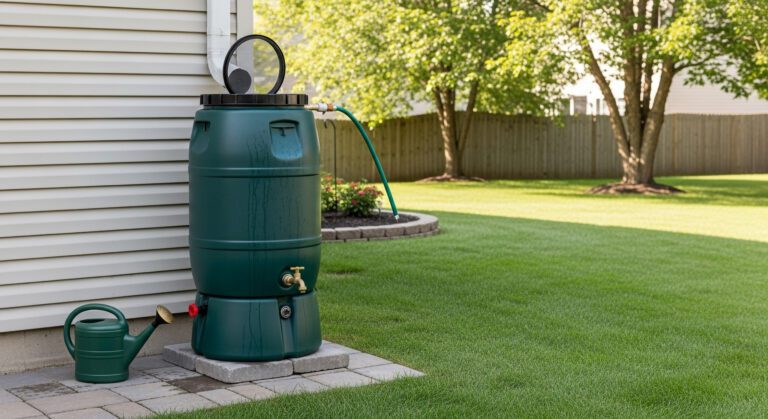
Add rain gardens or rain barrels to slow and absorb runoff.
All these items break down easily and add valuable nutrients to your compost. Be sure to avoid adding meat, dairy, oils, diseased plants, or anything treated with chemicals, as these can cause odors, attract pests, or disrupt the composting process.
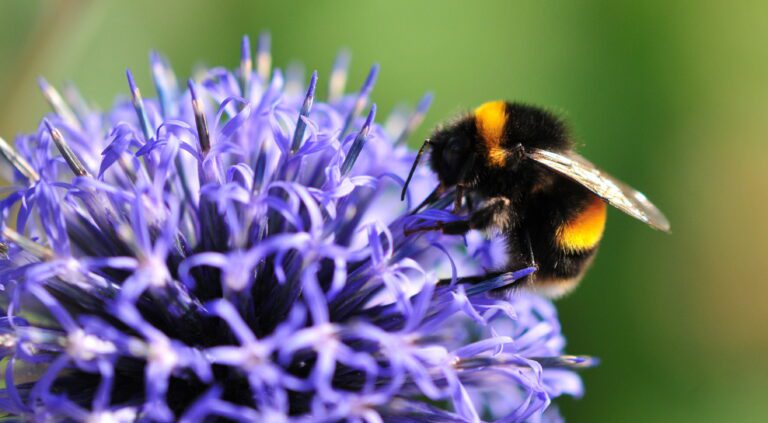
“Tidy” gardening often destroys essential nesting and winter habitat for native bees. Many bees rely on hollow stems, leaf litter, or even bare soil to survive and reproduce.
Best Practices:
Leave some stems and leaf litter through winter.
Preserve small areas of bare ground for ground-nesting bees.
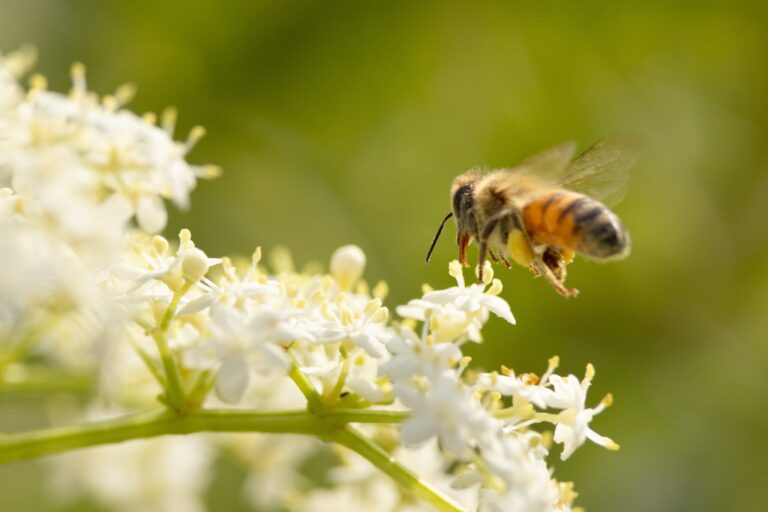
Spraying during the day when bees are foraging on flowers can kill them directly. Even a non-toxic liquid, like a dish soap spray sometimes used for aphids, can kill a bee by stripping its waxy coat.
Best Practices:
Apply pesticides only when necessary.
Spray during early morning or late evening when bees are inactive.
Follow label instructions and use the minimum effective amount.
Adding honeybee hives in places with limited nectar and pollen sources can increase competition with native bees and may spread disease. Even well-intentioned hive installations can unintentionally stress local pollinator populations.