Resources

We take the guesswork out of what sources are reliable and share information that is vital to the success of our lands. Use the fields below to search our resource library by location, topic or partner.

Wildflowers

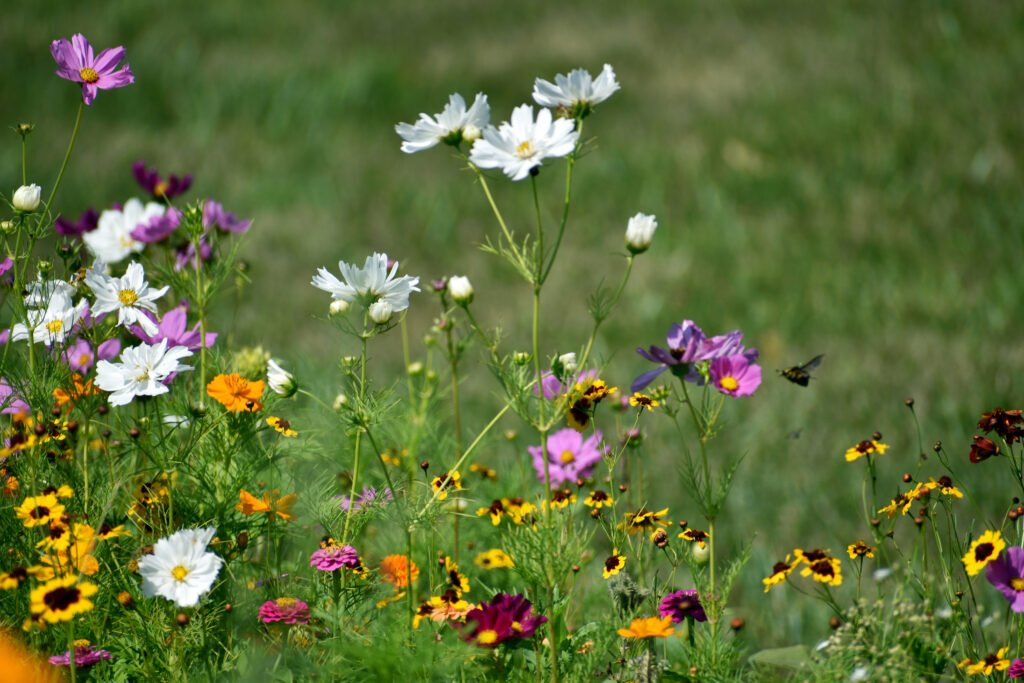
Pollinator-Friendly Parks

Recent studies demonstrate the value of urban and suburban greenspaces for wild pollinators. Pollinators are responsible for countless harvests gathered in backyards, community gardens as…

Wildflowers

Pollinators Fact Sheet

Most pollinators in North Dakota are insects, such as native bees, nonnative honey bees, beetles, flies, moths, butterflies, and bats. Through the process of foraging,…

Prairie Pocket Initiative

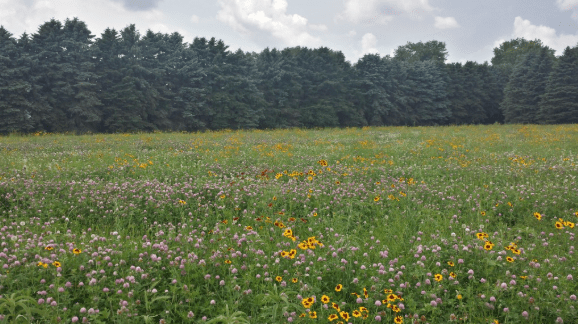
The purpose of the Pocket Prairie Initiative is to restore unused, undeveloped parcels of land, no matter how big or small, back to its native…

Pruning 101

There are many great reasons to prune: for tree health, improving tree appearance, protecting people and property, or to maintain an intended purpose for that…

Rain Gardens: Capturing and Using the Rains of the Great Plains

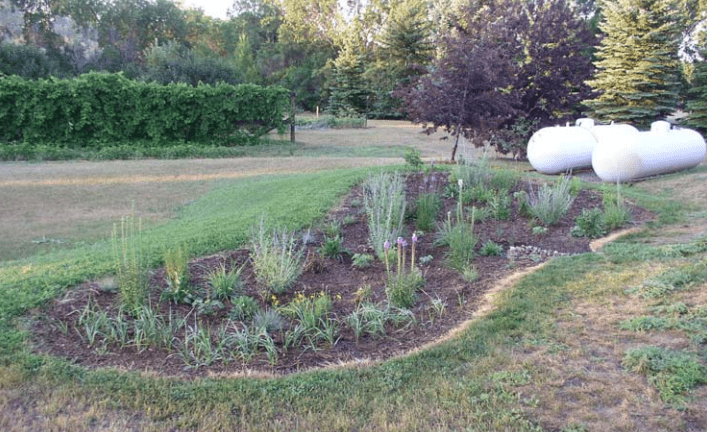
Learn how to capture and use the rains of the Great Plains.

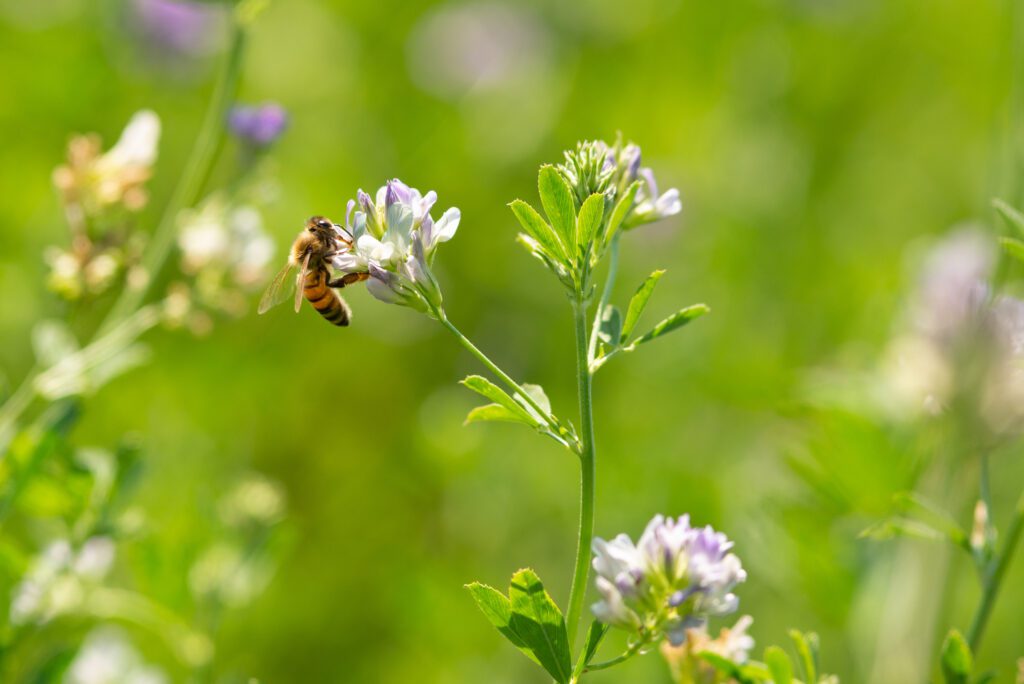
Honey bee pollinates alfalfa flower.

Ranchland Management and Pollinators

Ranchers are essential stewards of grasslands and prevent rangeland from being converted to cropland or urban areas. Rangelands are important for pollinators, providing contiguous and…

Dutch Elm

Recommended Trees for North Dakota Communities

A guide to recommended trees for North Dakota.

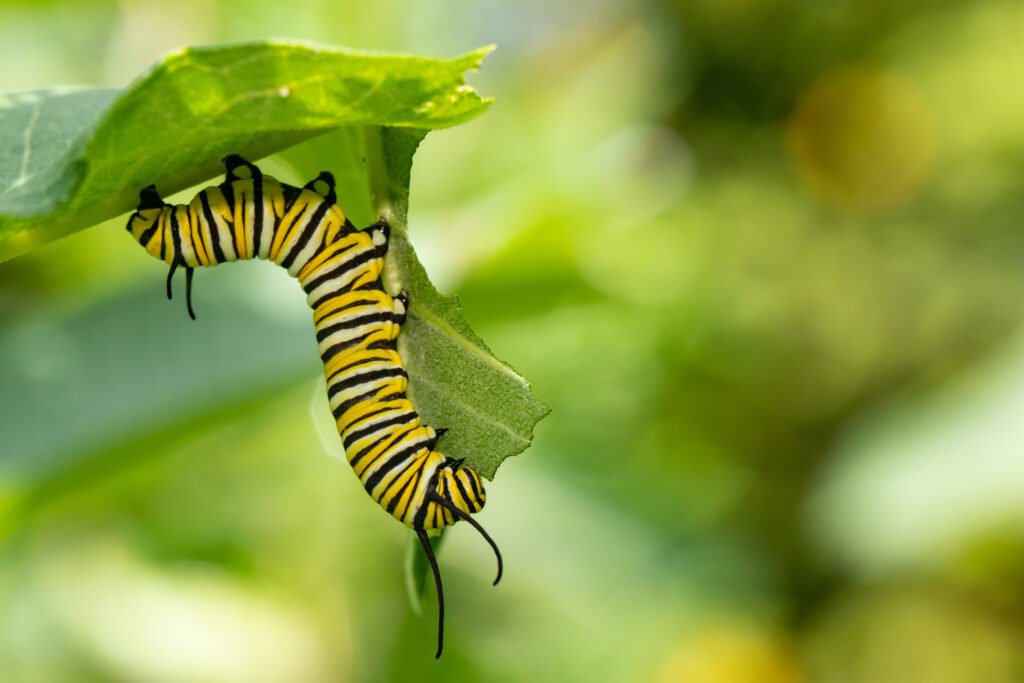
Monarch butterfly caterpillar eating milkweed.

Red River Valley Prairie Management Toolbox

The Prairie Management Toolbox provides technical and financial assistance to producers for improving grassland habitat and forage quality.

Right Tree, Right Place

Choosing the right tree for the right place will help set our trees up for success, and reduce maintenance, loss, and hassle in the long…

Field

Soil Health: Armor

Soil armor or cover, provides numerous benefits for cropland, rangeland, hayland, gardens, orchards, road ditches, and more.

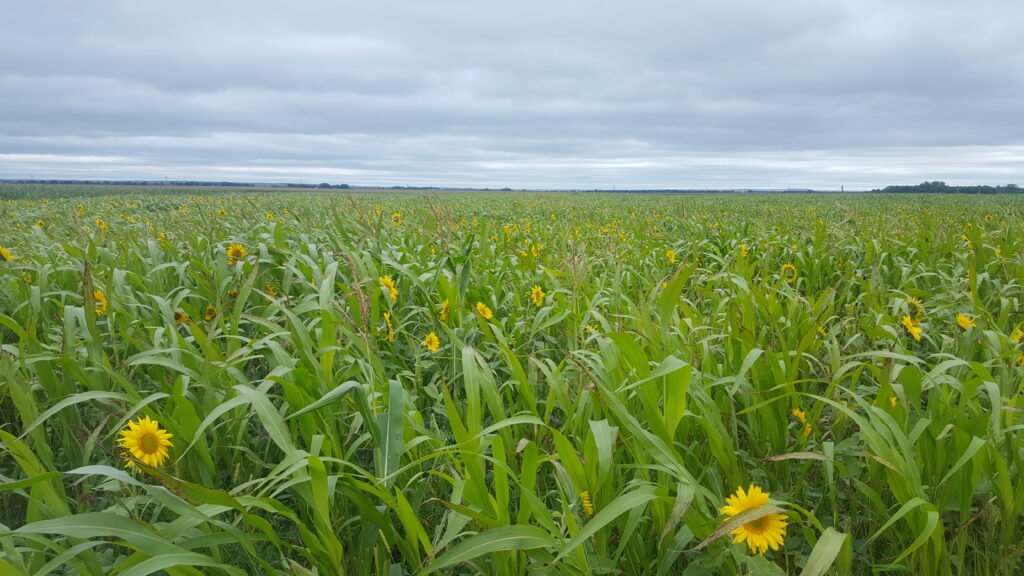
Cover Crop planting for haying or grazing

Soil Health: Continual Live Plant/Root

Our perennial grasslands consist of cool season grasses, warm season grasses, and flowering forbs. Consequently, adaptable plants are able to grow during the cool spring…

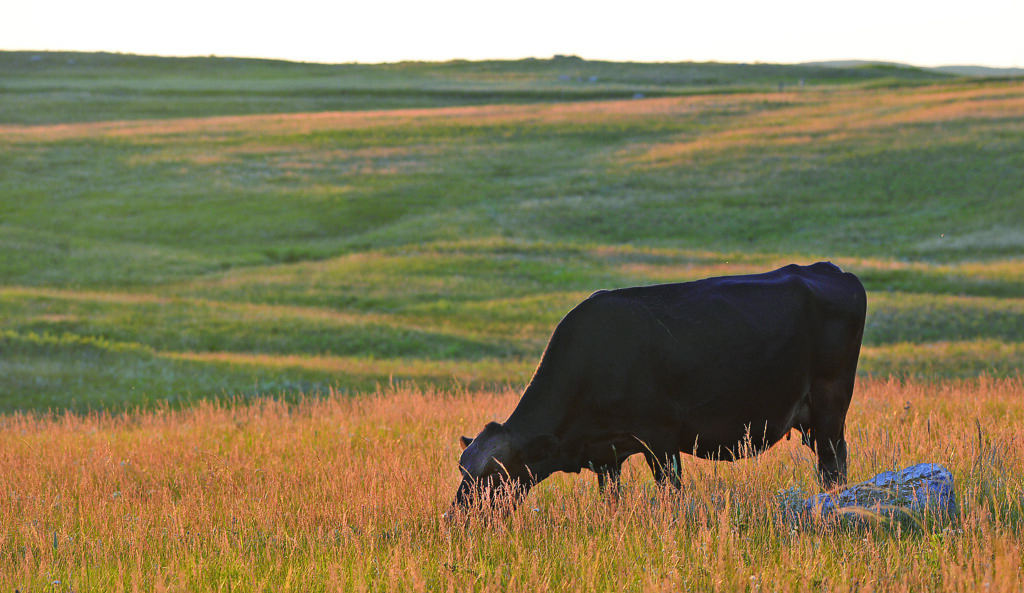
A cow grazing in a grass field.

Soil Health: Livestock Integration

Animals, plants, and soils have played a synergistic role together over geological time. In recent years, animals are playing a reduced role due to being…