You’ve probably heard the phrase “ Save the bees!” before. That alone may resonate with you, but do you know just how vital pollinators are to the ecosystem and our economy?
Click into each accordion to learn more.
Pollinators and Our Food
Pollinators are considered a keystone species. This means that others rely on them to survive.
In fact, about 80% of crop plants that produce our food and other products require pollination by animals.
Some of our favorite foods like strawberries, apples, pumpkins, squash, almonds and coffee only exist because of pollinators.
Simply put, without pollinators, we would not get the essential nutrients in our diet!
Pollinators and the Ecosystem
A thriving ecosystem is full of plant diversity.
The majority of plants need pollinators to disperse pollen for reproduction.
The absence of pollinators would quickly unravel the ecosystem, and the human race would not survive!
Pollinators and the Environment
Plants produce oxygen by using carbon dioxide from plants and animals.
As the plant and forest population declines, carbon dioxide levels in the atmosphere increase.
Flowering plants help purify water and prevent soil erosion.
Pollinators are also a food source for other wildlife.
Pollinators and the Economy
Pollinators are responsible for pollinating crops, such as fruits, vegetables, cotton and flax.
The United States’ economy relies on pollinators to keep these crops abundant and profitable.
Want to know more? Hover over each card below to review more pollinator facts.
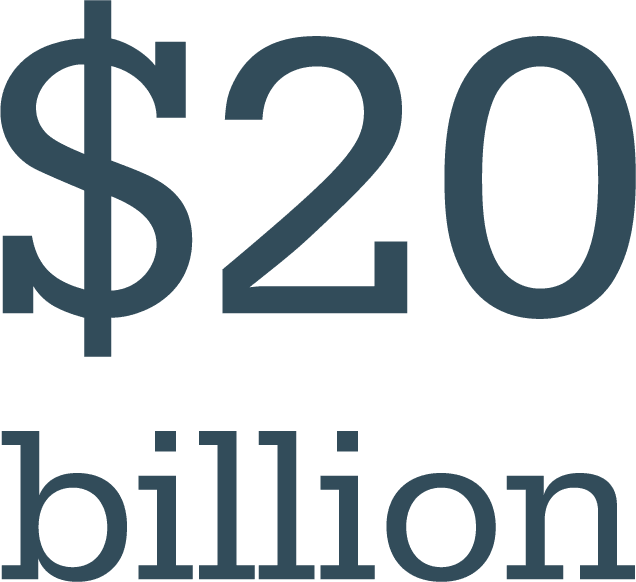
The economic value of insect-pollinated crops in the U.S. is at least $20 billion annually
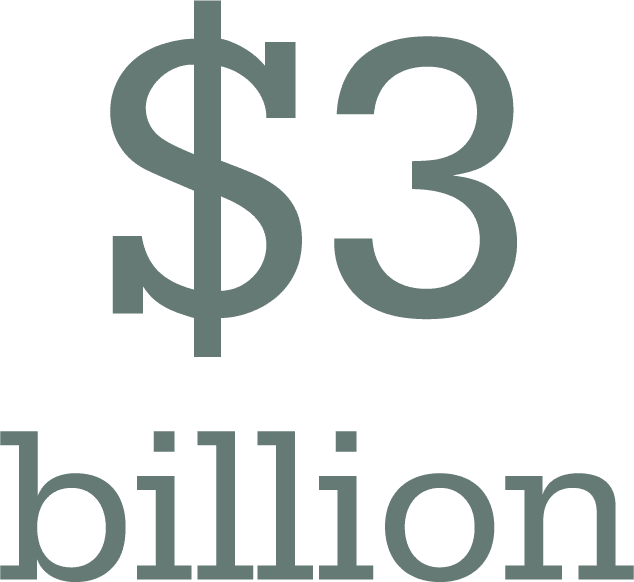
More than $3 billion of the $20 billion economic value is from wild-living native insects
85% of terrestrial plants need pollinators to reproduce
About 1 in every 3 mouthfuls of food comes from plants that need pollinators
More than 150 food crops in the U.S. need pollinators to reproduce